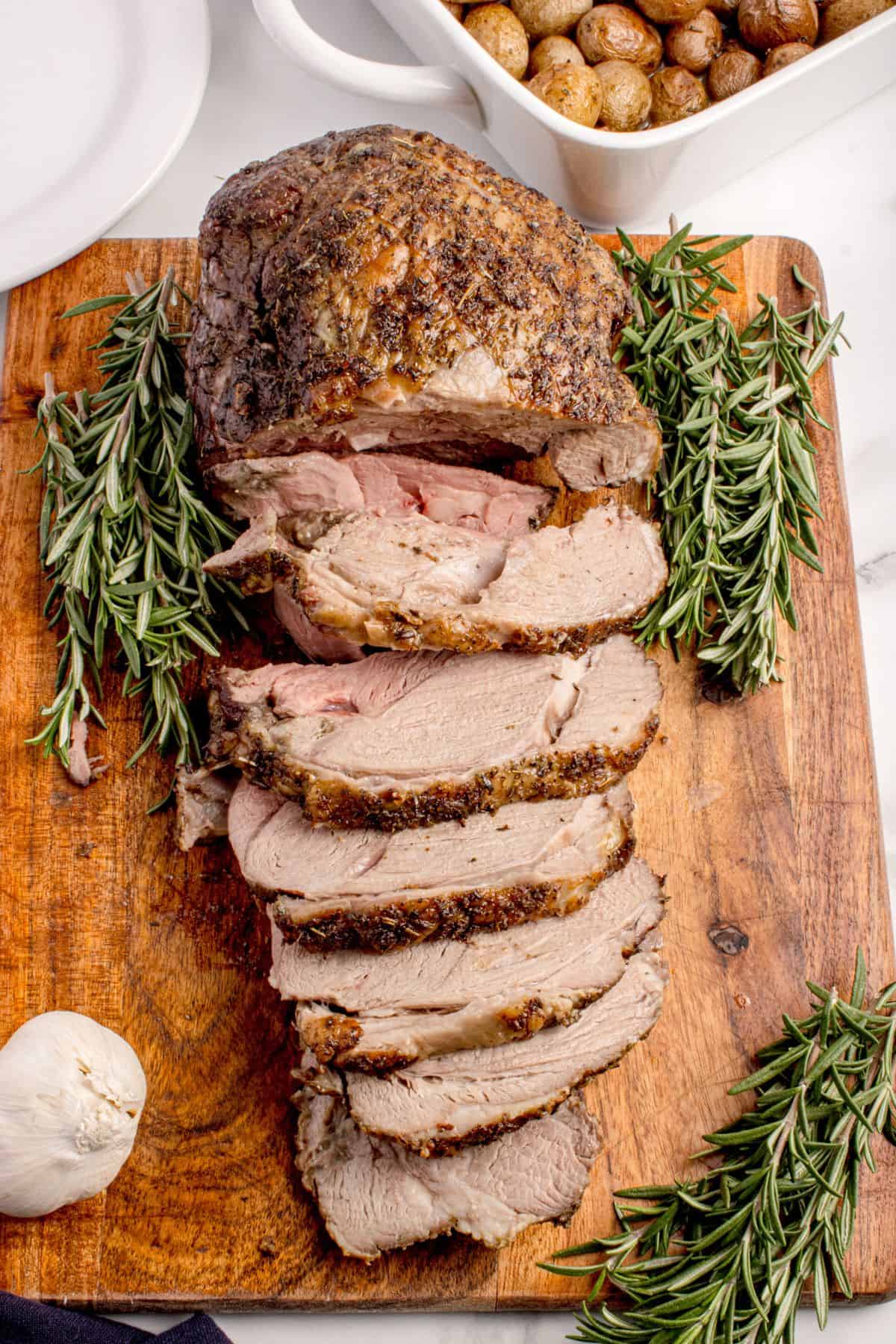
Imagine a centerpiece that exudes elegance, fills your home with an intoxicating aroma, and delivers unparalleled tenderness with every single bite. This isn't a dream reserved for professional chefs; it's the reality you can achieve with a perfectly roasted boneless leg of lamb recipe. While lamb might seem intimidating to some, the secret lies in a simple, yet profoundly effective technique: low and slow roasting. This method guarantees a succulent, fall-apart texture that transforms a humble cut into a show-stopping meal, ideal for celebratory occasions or simply elevating a weekend dinner.
Our journey to culinary excellence begins with understanding the magic behind slow roasting. Forget the rush and high heat that can often lead to dry, tough meat. Instead, we embrace patience, allowing the oven to work its wonders gently over time. The result is a savory, earthy, and subtly sweet lamb that practically melts in your mouth, infused with a symphony of fresh, aromatic flavors. With just about 15 minutes of hands-on prep, this boneless leg of lamb recipe proves that some of the most impressive dishes are also the easiest to create, leaving you more time to enjoy your guests, or perhaps, those Easter egg hunts!
The Magic Behind Low & Slow Roasting for Tender Lamb
The phrase "low and slow" isn't just a catchy culinary mantra; it's a science-backed method, especially transformative for a lean cut like a boneless leg of lamb. Unlike quick, high-heat cooking that can seize up muscle fibers and squeeze out precious moisture, roasting at a lower temperature (around 275°F / 135°C) allows the lamb to cook evenly and gently. Here’s why this approach yields such exceptional results:
- Collagen Breakdown: Lamb leg contains connective tissue, primarily collagen. At low temperatures, this collagen slowly breaks down and converts into gelatin, which imbues the meat with incredible juiciness and a silky, tender texture. High heat would simply toughen these tissues.
- Moisture Retention: A gentle cooking environment prevents rapid evaporation of the lamb’s natural juices. The meat remains moist throughout the cooking process, resulting in a succulent finish rather than a dry, chewy one.
- Even Cooking: Lower temperatures ensure that the heat penetrates the meat gradually and uniformly from edge to center. This minimizes the risk of overcooked edges and an undercooked core, guaranteeing perfect doneness throughout.
- Flavor Development: The extended cooking time allows the flavors of your seasonings – herbs, garlic, and citrus – to deeply penetrate the meat, creating a more profound and aromatic taste profile that is simply irresistible.
This method truly is the secret weapon for achieving that coveted, melt-in-your-mouth tenderness in your boneless leg of lamb recipe, making it a holiday favorite and a versatile staple for any special meal.
Crafting the Perfect Flavor Profile: Essential Ingredients
A truly memorable roasted lamb isn't just about the cooking method; it's also about the harmonious blend of seasonings that elevate its natural, rich taste. This particular boneless leg of lamb recipe focuses on classic pairings that complement the meat's earthy notes beautifully. Here are the key players in our flavor arsenal:
- Boneless Leg of Lamb: Typically, a cut weighing just under 5 pounds works wonderfully for this recipe, serving a generous crowd. This lean, savory cut boasts a delightful slightly sweet and earthy flavor profile that shines with the right seasoning.
- Garlic Powder: While fresh garlic is often a go-to, garlic powder offers a distinct advantage in low and slow roasting. It infuses a consistent, savory depth without the risk of burning or turning bitter, which can sometimes happen with finely minced fresh garlic during long cooking times.
- Kosher Salt & Freshly Ground Black Pepper: These fundamental seasonings are anything but basic. They act as flavor enhancers, bringing out and amplifying all the other notes, ensuring the lamb isn't just seasoned, but truly flavorful.
- Fresh Rosemary: Rosemary and lamb are a match made in culinary heaven. This woody, pine-like herb perfectly complements the richness of the lamb. While fresh sprigs are preferred for their vibrant aroma and robust flavor, dried rosemary can be used in a pinch (use about one-third the amount of fresh).
- Italian Seasoning: A convenient and flavorful blend, typically containing basil, oregano, and parsley. Some variations also include thyme or a touch of rosemary, which only adds to the complexity and depth of this dish.
- Lemon Zest: The bright, citrusy notes of lemon zest are crucial for rounding out the rich flavors of the lamb and herbs. It adds a subtle acidity that cuts through the richness, preventing the dish from feeling heavy and leaving a refreshing finish.
- Olive Oil & Butter: A combination of these two fats serves multiple purposes. Olive oil helps the seasonings adhere to the lamb and contributes to a beautiful crust. Brushing with melted butter towards the end of cooking adds an unparalleled richness and depth, creating a truly luxurious bite.
- Baby Potatoes (Optional but Recommended): For an effortless, complete meal, roasting baby potatoes alongside the lamb is a brilliant idea. They not only provide a delicious side but also absorb the savory drippings and infused flavors from the lamb as it cooks.
Each of these ingredients plays a vital role in creating an aromatic, flavorful, and unforgettable boneless leg of lamb recipe. For more aromatic inspiration, consider exploring an Aromatic Boneless Leg of Lamb: Rosemary, Lemon & Garlic Recipe, which delves deeper into these specific flavor pairings.
Step-by-Step Guide to a Flawless Boneless Leg of Lamb Recipe
Achieving that perfectly tender, juicy boneless leg of lamb is easier than you think, thanks to our low and slow method. Follow these steps for a truly impressive meal:
- Prepare the Seasoning Blend: In a small bowl, combine your garlic powder, kosher salt, black pepper, fresh rosemary (chopped), Italian seasoning, and lemon zest. Mix everything thoroughly until well combined. This ensures an even distribution of flavor.
- Prepare the Lamb: First, ensure your boneless lamb leg is at room temperature. This promotes even cooking; simply let it sit out while your oven preheats. Pat the lamb dry thoroughly with paper towels. A dry surface is crucial for developing a beautiful crust. Next, tie the lamb with kitchen twine at 1-2 inch intervals. This helps it maintain a uniform shape during roasting, ensuring even cooking and easier slicing later.
- Season the Lamb: Drizzle the entire surface of the lamb leg generously with olive oil. Then, liberally coat the lamb with your prepared seasoning blend, pressing gently to ensure everything adheres well. Don't be shy; a good rub means maximum flavor.
- Roast Low and Slow: Preheat your oven to 275°F (135°C). If using baby potatoes, arrange them in a single layer in a roasting pan. Place the seasoned lamb directly on top of the potatoes, or on a wire rack set over a roasting pan, fat side up. Roasting on a rack allows for better air circulation and even cooking. Cook for approximately 2 ½ to 3 hours, or until a safe internal temperature and your desired doneness are achieved.
- Butter Brush (Optional but Recommended): During the final 10 to 15 minutes of roasting, brush the lamb generously with melted butter. This optional step is a game-changer, adding an extra layer of richness and contributing to a beautiful, golden-brown finish.
- Rest and Carve: Once the lamb reaches your desired internal temperature (see tips below), remove it from the oven. Loosely tent it with foil and let it rest for a minimum of 20 minutes, or up to 30. This crucial resting period allows the juices to redistribute throughout the meat, resulting in an incredibly tender and moist final product. After resting, remove the twine and slice against the grain for the most tender bites.
Internal Temperature Guide for Lamb:
- Rare: 125°F (52°C) - will rise to 130°F (54°C) after resting.
- Medium-Rare: 130°F (54°C) - will rise to 135°F (57°C) after resting. (Often considered ideal for lamb)
- Medium: 135°F (57°C) - will rise to 140°F (60°C) after resting.
- Medium-Well: 140°F (60°C) - will rise to 145°F (63°C) after resting.
- Well-Done: 150°F (66°C) - will rise to 155°F (68°C) after resting.
Always use an instant-read meat thermometer, inserting it into the thickest part of the lamb without touching bone, for accurate readings. Start checking the temperature about 2 hours into roasting.
Elevating Your Lamb: Expert Tips for Success
Beyond the core recipe, a few extra insights can truly elevate your boneless leg of lamb recipe from great to unforgettable. These tips focus on maximizing flavor, ensuring perfection, and making your cooking experience even smoother.
- Don't Skip the Room Temperature Step: As mentioned, starting with lamb at room temperature (about 1-2 hours out of the fridge) ensures more even cooking. A cold roast will cook unevenly, with the outside potentially overcooking before the inside reaches its desired doneness.
- Mastering the Meat Thermometer: An instant-read meat thermometer is your best friend for any roast. Relying on visual cues alone can be misleading. Always check the internal temperature in the thickest part of the meat, avoiding any fat pockets or bones.
- The Art of Resting: This cannot be stressed enough. Resting the lamb is just as crucial as the roasting itself. During cooking, the meat's juices concentrate in the center. Resting allows these juices to redistribute throughout the entire roast, ensuring every slice is incredibly moist and tender. Cut into it too soon, and all those precious juices will run out onto your cutting board.
- Perfect Pairing Possibilities: While baby potatoes roasted alongside are fantastic, consider other simple sides. A vibrant green salad with a zesty vinaigrette, roasted asparagus, or even a classic mint sauce or chimichurri can beautifully complement the richness of the lamb. For a truly Easy Boneless Leg of Lamb for Stress-Free Holiday Feasts, keep your side dishes simple and prepare them in advance.
- Carving Like a Pro: Once rested, remove the twine. Always slice the lamb against the grain. This shortens the muscle fibers, making each bite significantly more tender. Identify the direction of the muscle fibers and slice perpendicularly.
- Repurposing Leftovers: If you're lucky enough to have any leftover lamb, don't let it go to waste! Thinly sliced lamb is fantastic in sandwiches, wraps, salads, or even tossed with pasta or rice for a quick and flavorful meal the next day.
By incorporating these simple yet effective tips, you'll ensure your boneless leg of lamb is not just cooked, but truly perfected, making every occasion feel like a gourmet experience.
Conclusion
Mastering a perfectly tender boneless leg of lamb recipe doesn't require culinary acrobatics. It simply calls for a bit of patience and an understanding of the transformative power of low and slow roasting. With minimal prep and a harmonious blend of classic aromatics like rosemary, garlic, and lemon zest, you can achieve a truly spectacular main course that is both elegant enough for your most cherished holiday gatherings and approachable enough for a special weeknight meal. So, preheat your oven, gather your ingredients, and prepare to impress yourself and your loved ones with a lamb that is undeniably juicy, flavorful, and incredibly tender. This is more than just a recipe; it's a gateway to creating unforgettable dining experiences.
